Powell River Top General Contractor for Professional Remodeling
Powell River Top General Contractor for Professional Remodeling
Blog Article
General Contractor: Your Top Expert for Home Projects
A general contractor maintains an essential position in home projects. They manage various components of building operations, guaranteeing that everything functions without incident. Their command of building codes and guidelines permits them to address the complexities of permits and reviews. This knowledgeable professional serves as an critical bridge between homeowners and subcontractors. However, many homeowners feel unsure about the full scope of their services. Grasping these details can greatly impact the accomplishment of any renovation endeavor.
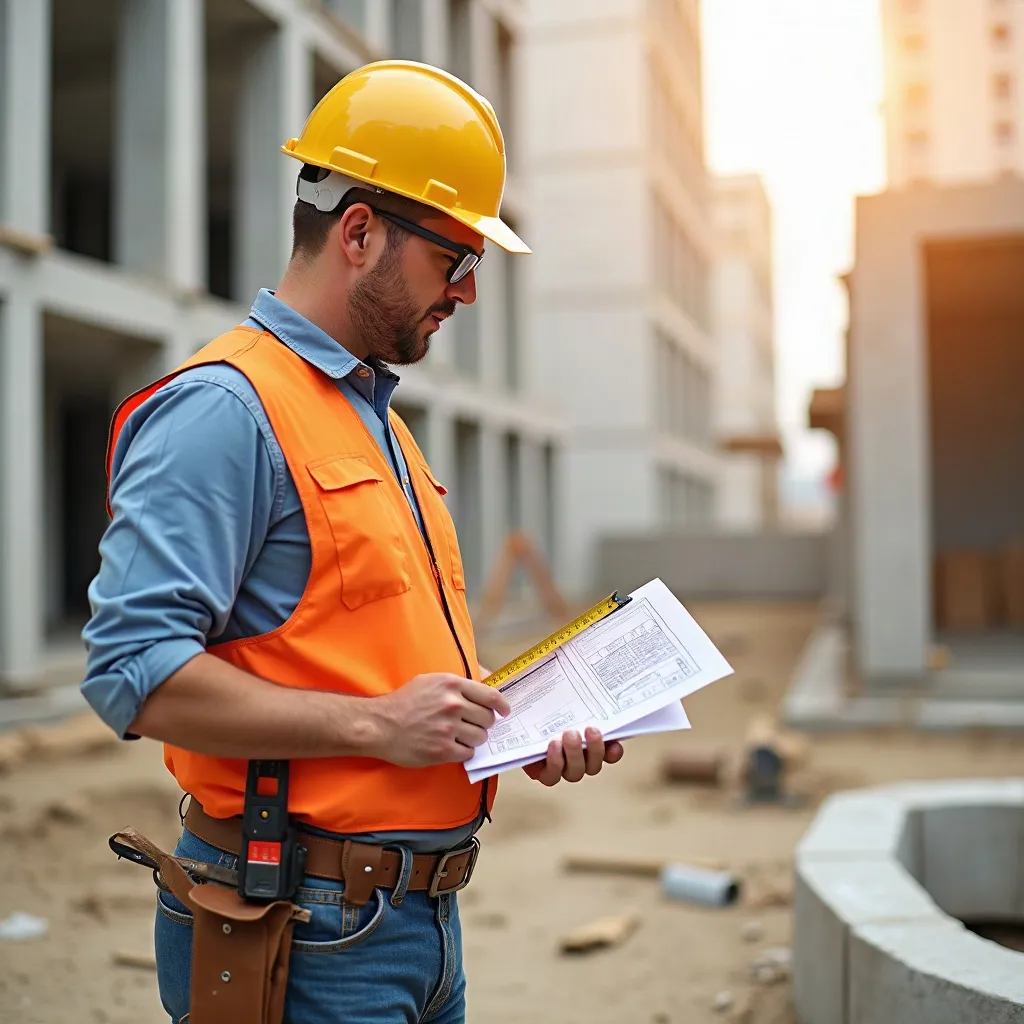
What Does a General Contractor Handle?
A project overseer directs the various elements of a construction project, making certain that everything runs smoothly from initiation to completion. They act as the chief communication hub, managing dialogue between project owners, trade contractors, and material providers. This role encompasses structuring the work schedule, supervising crew members, and ensuring conformity with area construction rules and standards.
General contractors are responsible for acquiring required licenses and arranging inspections, which are vital for upholding safety and quality benchmarks. They also manage budget planning, material procurement, and overseeing site operations to mitigate any potential delays or issues. In addition, they oversee subcontractors, making sure that each phase of construction aligns with project specifications and timelines. Overall, a general contractor's expertise and organizational skills are crucial for delivering a successful construction project, transforming a client's vision into reality while balancing multiple tasks and responsibilities.
Benefits of Employing a General Contractor for Home Remodeling
Hiring a professional builder for residential remodeling offers numerous benefits that can greatly enhance the efficiency and quality of the project. General contractors bring expertise in managing projects, making sure deadlines are achieved and funds are distributed efficiently. Their strong connections with specialized tradespeople can lead to improved rates and excellent craftsmanship, which ultimately helps property owners both money and time.
Moreover, construction managers manage the intricate details of permits and inspections, minimizing possible regulatory problems. They also offer a single point of contact, easing communication and coordination among different contractors. This streamlining decreases the likelihood of confusion and setbacks.
In addition, their proficiency empowers them to recognize potential challenges, facilitating proactive solutions to maintain the project on track. By hiring a general contractor, homeowners can devote attention to their vision while savoring peace of mind, confident that a professional is overseeing every aspect of the renovation.
Clearing Up Misconceptions Regarding Construction Professionals
While many homeowners may hold misconceptions about general contractors, understanding the truths can lead to more informed decisions. One prevalent myth is that hiring a contractor is unnecessary for small projects; however, their skills can streamline even small-scale renovations, ensuring compliance with local codes. Another common belief is that general contractors are merely middlemen, but they often possess extensive knowledge in multiple areas, enabling them to oversee projects efficiently. Additionally, some clients think that working with a contractor will significantly increase costs. In truth, a professional contractor can often secure better pricing for materials and labor due to established relationships with suppliers and subcontractors. Finally, many believe that contractors are inflexible, but trusted contractors prioritize client communication and collaborate closely to meet individual needs. Dispelled myths can empower clients to leverage the true value of contractors in achieving successful home projects.
Identifying the Most Suitable General Contractor?
How can homeowners ensure they select the best construction professional for their assignments? The process begins with thorough research. Property owners should obtain recommendations from friends, family, or online reviews to identify qualified contractors. Once a list is created, verifying qualifications, such as licensing, bonding, and insurance, is crucial to confirm legitimacy.
Next, homeowners should request and review portfolios of past projects, concentrating on projects similar in scope. Setting up interviews allows homeowners to assess fit, discussing timelines, budgets, and expectations. It's also advisable to get several estimates for evaluation, offering a better grasp of costs.
Assessing references gives perspective on a contractor's dependability and expertise. Ultimately, following your intuition is essential; an initial meeting can expose a contractor's interaction pattern and strategy. By implementing these procedures, homeowners can markedly increase their chances of selecting a general contractor who suits their project needs and vision.
Best Interaction Solutions Partnering Alongside Your General Contractor
How can homeowners leverage methods to secure effective communication with their general contractor? Creating direct engagement from the start is critical. Homeowners must plainly communicate their expectations, project aims, and financial limits during initial meetings. Regular communications can be facilitated through arranged gatherings, confirming that both parties stay synchronized throughout the project.
Leveraging written documentation, like emails or project logs, strengthens verbal agreements and reduces misunderstandings. Homeowners should equally encourage transparent communication by welcoming responses and inquiries from the contractor, fostering a collaborative atmosphere.
Furthermore, capitalizing on technology, such as project management apps, can facilitate communication by creating a centralized location for conveying updates, timelines, and changes. Finally, maintaining respect and approachability can strengthen mutual understanding, making it more straightforward for the contractor to discuss challenges or suggestions with success. By putting into practice these techniques, homeowners can nurture a productive and honest relationship with their general contractor.
What to Prepare For When Your Project Begins?
As the work commences, homeowners can look forward to a rush of action on-site. applicable information The general contractor will coordinate teams of skilled tradespeople, including electricians, plumbers, and carpenters, who will begin their responsibilities following the established timeline. Homeowners may witness heavy machinery and materials being brought in, fostering a bustling atmosphere.
Open dialogue is crucial during this period. The contractor will inform progress updates and resolve any issues that arise. Homeowners should ready themselves for possible disruptions, such as acoustic disturbances and restricted entry to certain areas of the home.
Safety protocols will be in place to safeguard both workers and residents, guaranteeing a secure setting. Additionally, homeowners may be prompted to preserve flexibility, as unexpected problems can arise, requiring adjustments to the original plan. Overall, this initial phase lays the groundwork for the successful completion of the project, and active engagement is essential.
Essential Inquiries for Your General Contractor Agreement?
Pinpointing the right matters to ask when settling a general contractor agreement is fundamental for securing a streamlined project. Homeowners should ask about the contractor's authorization and insurance to verify their qualifications and protection against exposure. Understanding the project timeline and benchmarks is significant; therefore, asking about expected completion dates helps establish expectations.
It is also paramount to communicate financial specifications, such as down payments and payment plans, to ward off misunderstandings. Homeowners should secure a granular analysis of outlays, featuring materials and labor, to copyright accountability. In addition, engaging in discussion about the process for handling alterations or surprise difficulties can eliminate disagreements later.
In conclusion, property owners must investigate details about subcontractors and their qualifications, as well as the contractor's communication approach throughout the project. By reviewing these points, homeowners can establish a productive relationship with their lead contractor, ultimately leading to a successful construction project.
Frequently Asked Questions
What Ways Do General Contractors Use to Invoice for Their Services?
Contractors commonly assess fees through fixed fees, time-based pricing, or a proportion of the overall budget. Their costs may include materials, labor, and business expenses, based on the project's complexity and scope.
Can a General Contractor Assist With Documentation and Inspections?
Yes, a general contractor can help with securing permits and overseeing inspections. They typically handle local regulations and guarantee compliance, simplifying the workflow for homeowners while facilitating necessary authorizations throughout the construction project.
What Background Should I Review in a General Contractor?
When hiring a construction firm, one should review professional credentials such as valid licensing, comprehensive insurance, background with comparable initiatives, excellent references, and effective communication skills, confirming they demonstrate the necessary expertise to manage the project successfully.
What Timeframe Should You Anticipate for a Standard Home Remodeling Venture?
A typical home renovation project can take anywhere from a few weeks to several months, according to the scope, intricacy, and size of the project, as well as the availability of materials and labor.
What Occurs if My Undertaking Goes Over Cost Allowance?
If a project goes over budget, the builder usually talks through the causes and alternatives with the property owner. Changes may consist of reducing scope, seeking additional funding, or modifying the project parameters to align with financial limits.
Report this page